POST
September 09 , 2026
The Art of the Group Getaway
7 questions to ask your family & friends before planning that vacation together
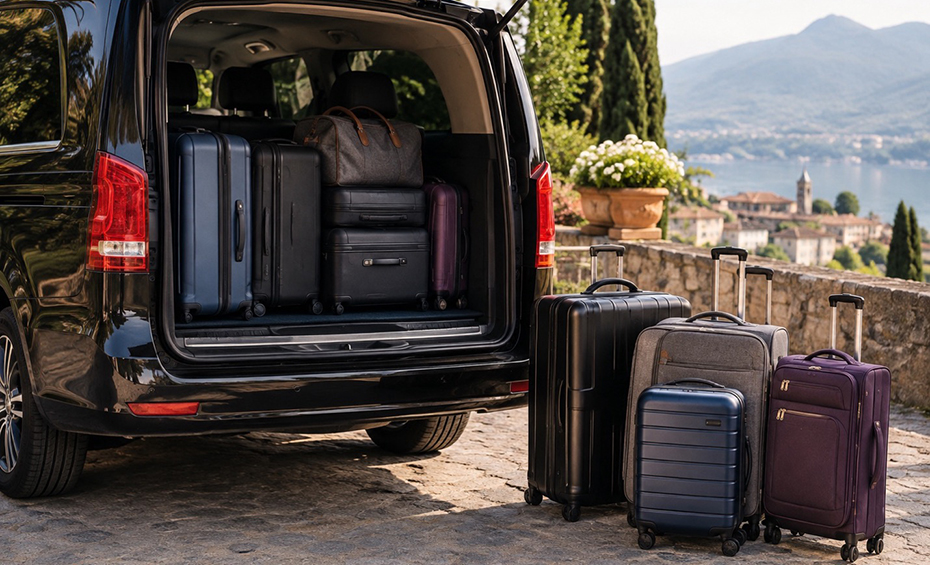
Planning a vacation for a group can be a little like planning a dinner party for 10 people - everyone has their own tastes, preferences, and ideas about what makes a great time.
One person wants to see every museum. Another would happily spend the whole afternoon by the pool. Someone is researching the best restaurants, while someone else is already looking for the nearest hiking trail. And when you're traveling with multiple generations, different ages and energy levels add another layer to the mix.
The good news? You don't have to find a destination or itinerary that makes everyone want to do exactly the same thing.
The key to a successful private group vacation - whether you're traveling with extended family, two families, a few couples, or a group of close friends - is creating a trip that gives everyone something to look forward to.
Before you start booking hotels or building an itinerary, get your crew together and ask these seven questions.
1. “What does everyone actually want from this trip?”
Gather your crew, then start with the destination.
Before you decide where to go, talk about what everyone hopes to get out of the vacation.
Is the priority exploring historic cities? Relaxing on the beach? Eating and drinking your way through a region? Getting outdoors? Shopping? Spending more time together? Having a little adventure?
You don't need everyone to choose the same thing. Instead, look for the overlap - and then choose a destination with enough variety to accommodate the differences.
Italy, for example, can combine art and history with rich food, countryside, lakes, or the coast. Greece offers ancient sites, olive oil dishes, beaches, boating, and island life. Spain can bring together cities, culture, tapas nights, and the Mediterranean. Croatia combines historic towns and islands with swimming and time on the water. Portugal offers a mix of cities, sunny southern coasts, seafood and wine.
The point isn't to find the destination that everyone would choose individually. It's to find one where the group as a whole can imagine having a great vacation.

Image by Vitaly Gariev on Pexels
2. “How much time do we expect to spend together?”
Plan shared time - and separate time.
Traveling together doesn't mean you have to do everything together.
In fact, trying to keep a large group together every minute of every day can make a vacation feel more like a group assignment than a holiday.
Instead, decide which experiences everyone really wants to share, then leave room for people to pursue their own interests.
Maybe everyone takes a cooking class together, while a few people head out for a food tour the next morning. The active travelers might go kayaking while others sleep in or spend the afternoon at the hotel. Then everyone can meet up for dinner.
Shared experiences become more meaningful when people also have the freedom to do their own thing.
A well-designed itinerary can provide a framework for everyone to enjoy the trip together without requiring everyone to follow the exact same schedule.

Image by Collins Lesulie on Unsplash
3. “How much time do we realistically want to spend on the move?”
Build in breathing room.
When you're planning a big trip, it's tempting to make every day count. After all, if you're traveling all that way, you want to see as much as possible, right?
Not necessarily.
Moving a large group from one hotel to another is more complicated than moving a couple. There are bags to pack, rooms to check out of, transportation to coordinate, and inevitably someone who isn't quite ready to leave when everyone else is.
Before building the itinerary, ask yourselves how much time you actually want to spend in transit.
Consider limiting hotel changes, avoiding early-morning starts every day, leaving some afternoons unscheduled, and alternating more active days with slower ones.
More activities don't necessarily mean more memories.
Sometimes the best part of a trip is having time to linger over lunch, enjoy the hotel, wander around town without a schedule, or simply sit together and talk.

Image by cottonbro studio on Pexels
4. “What does everyone need to be comfortable?”
Accommodations can make or break your getaway.
For a group trip, the hotel is more than a place to sleep. It can have a major impact on how well the entire vacation works.
Think beyond the room itself. Does the property have a pool? Is there a restaurant on-site? Is the location convenient? Are there spaces where everyone can gather, as well as places where people can retreat when they need some quiet time?
Room configurations matter, too. Depending on the group, connecting rooms, suites, or different room types may make more sense than simply booking the same category for everyone.
And don't forget practical considerations. Different ages and mobility levels may mean that one person's “perfect location” is another person's logistical nightmare.
The right accommodation booking can make it easier for everyone to feel comfortable while still giving the group a natural place to come together.

Image by Ahmet ÇÖTÜR on Pexels
5. “What forms of transportation are we ok with?”
Would you drive, would you take a cruise?
Sometimes the easiest way to make a group trip work is to simplify the logistics.
A rental car, or perhaps two, can give you flexibility to explore at your own pace, make spontaneous stops, and split up when people want to do different things.
For other groups, taking the driving out of the equation may be the better choice. A cruise gives everyone one home base while visiting multiple destinations without packing and unpacking along the way.
And cruising doesn't necessarily mean a mega-ship. Small-ship cruising offers a more intimate alternative, particularly in destinations like Croatia and Greece, where you can explore different islands and coastal towns while keeping the convenience of one home base.
The best option depends on your group's comfort level, priorities, and destination.

Image by Fredrik Öhlander on Unsplash
6. “What does everyone expect to spend?”
Talk about budget before you start planning.
This may be the least glamorous question on the list, but it's one of the most important.
It's much easier to plan a successful group vacation when everyone has a general understanding of the budget from the beginning - before someone falls in love with a hotel that's twice what everyone else had in mind.
Talk about the approximate budget per person or couple and whether that includes airfare. Discuss where people are comfortable splurging and where they'd rather save. And consider whether everyone needs the same room category or needs to participate in every paid experience.
The good news is that everyone doesn't necessarily need to have the exact same budget. Depending on the destination and itinerary, there may be ways to accommodate different spending levels while keeping everyone together for the experiences that matter most.
Being upfront about budget early in the process gives you a much better chance of creating an itinerary that everyone feels good about.
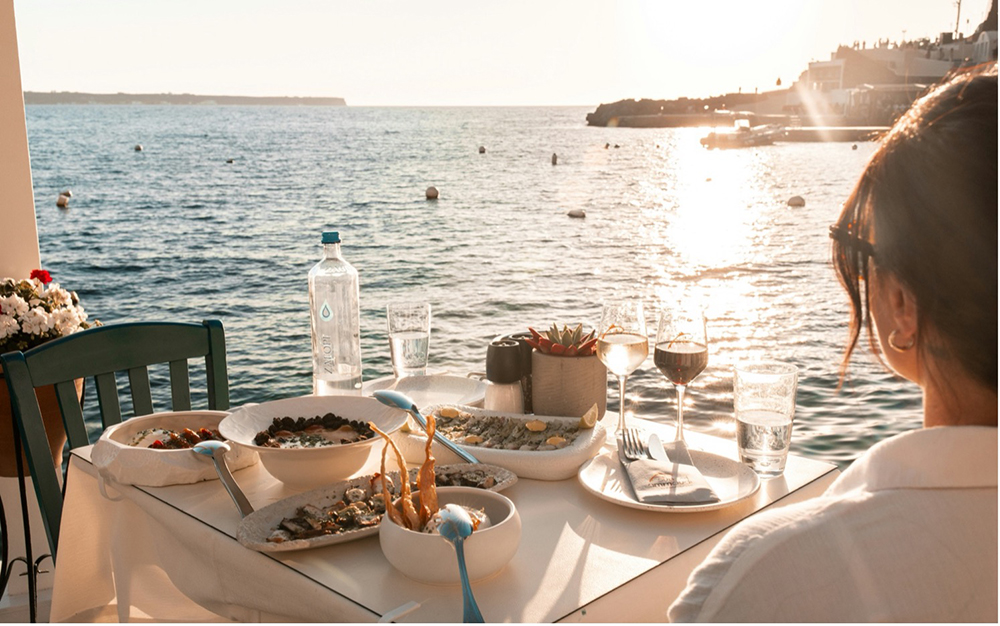
Image by Anastase Maragos on Unsplash
7. “Who's going to be the point person?”
Decide how your group will communicate.
Once you've talked through the big-picture details, decide who will be the group's main point of contact for organizing. If you’re reading this, there’s a good chance that’s you.
This doesn't mean one person has to make every decision. It simply gives the planning process a clear communication channel.
The point person can gather everyone's preferences, share the group's priorities and budget with your travel specialist, bring itinerary options back to the group, and collect everyone's feedback.
Our advice? Don't have six couples emailing your travel advisor independently. Choose one organized person to be the group's main contact, then let that person coordinate with the rest of the crew.
It will make the planning process considerably easier - and save everyone from a very long email chain.

Image by Antoni Shkraba on Pexels
Ready to plan?
Once you've answered these seven questions, you've already done some of the hardest work. You know what everyone wants, where you're willing to compromise, and what matters most to the group.
Now it's time to turn all those preferences into an actual trip.
That's where our expertise comes in. After contacting us, you’ll get a dedicated travel specialist to take your group's ideas, priorities, personalities, and practical considerations and turn them into a cohesive custom itinerary - so you can spend less time organizing the trip and more time looking forward to it.
Planning a trip for your crew? Let's create one everyone can agree on.